Chapter One
The bet
Colfax was built by people who bet on it. In 1865 the railroad came up the hill, and a town grew up around the tracks because somebody decided this spot was worth the trouble.
A century and a half later, a handful of us made the same bet. We weren't consultants or developers. We were residents who walk these streets and business owners who unlock these doors every morning, and we were tired of hearing that a small town's best days were behind it.
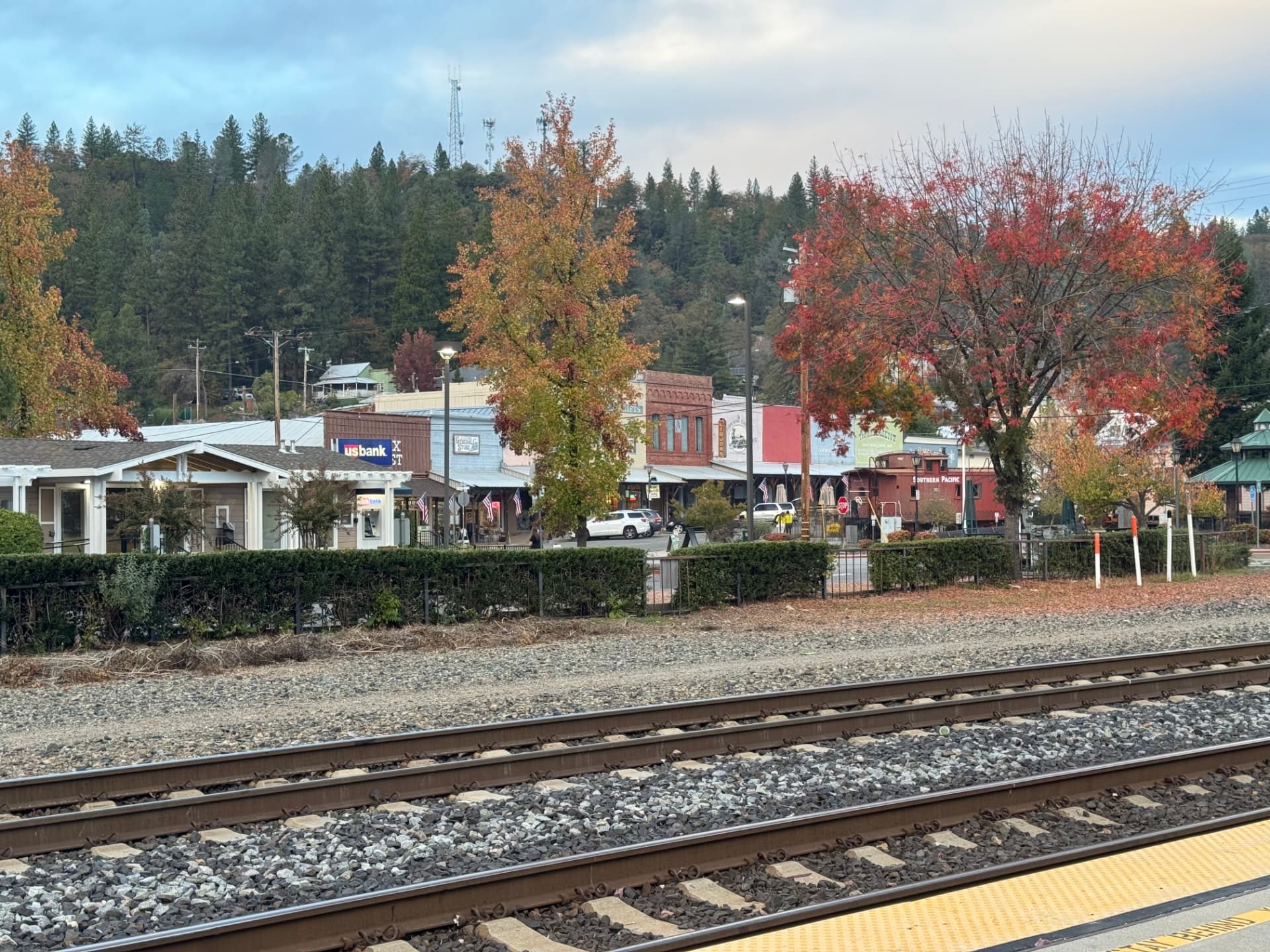
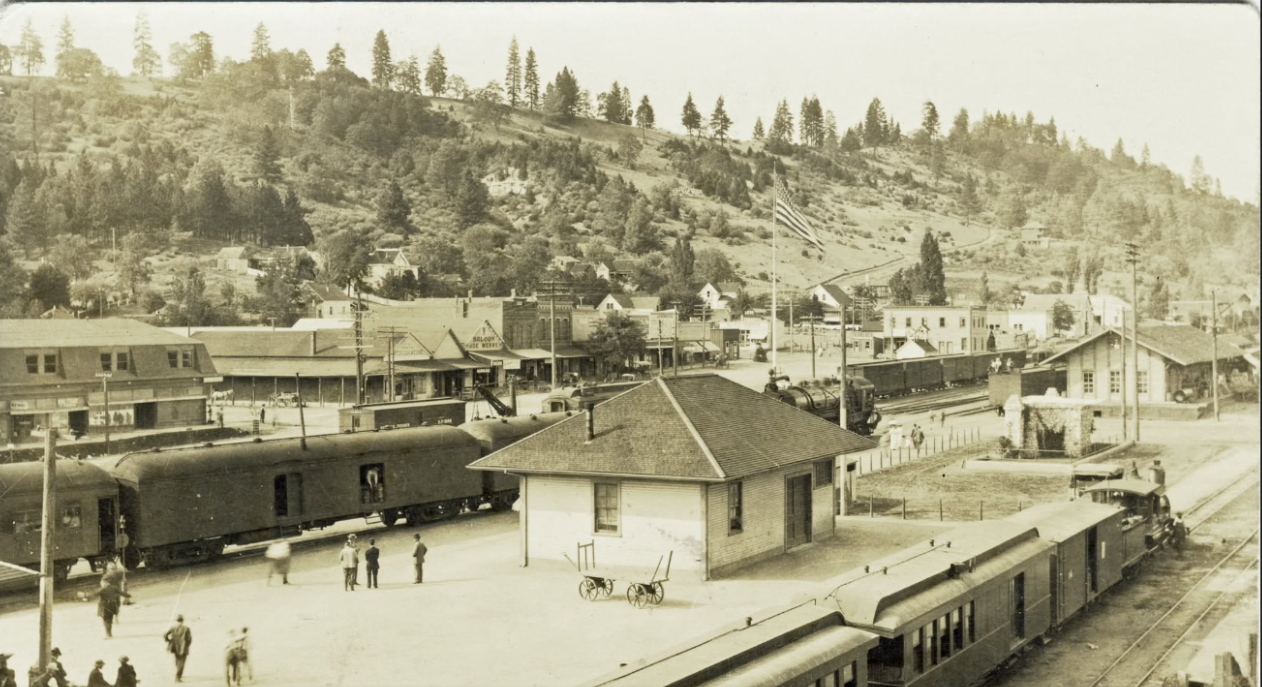
Then & now · Main Street
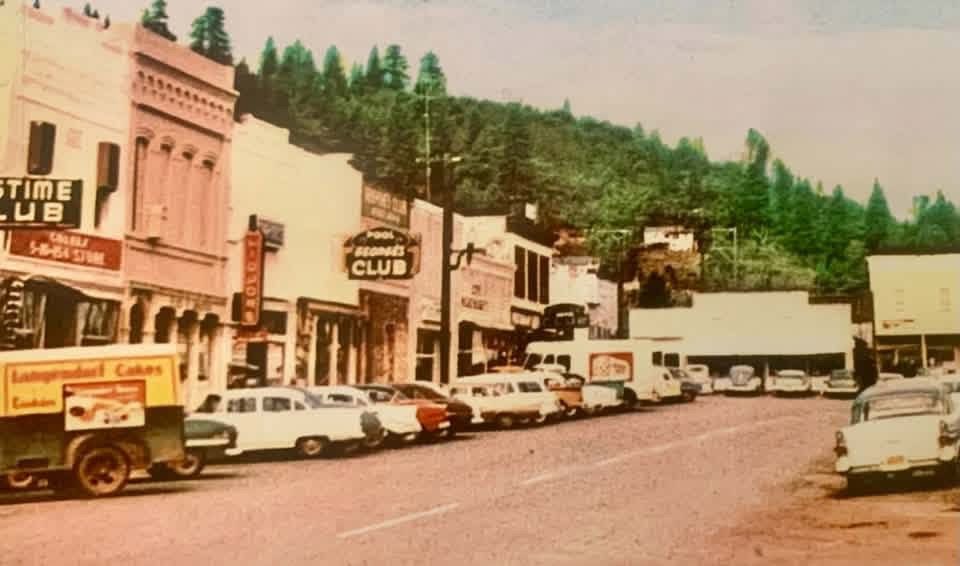
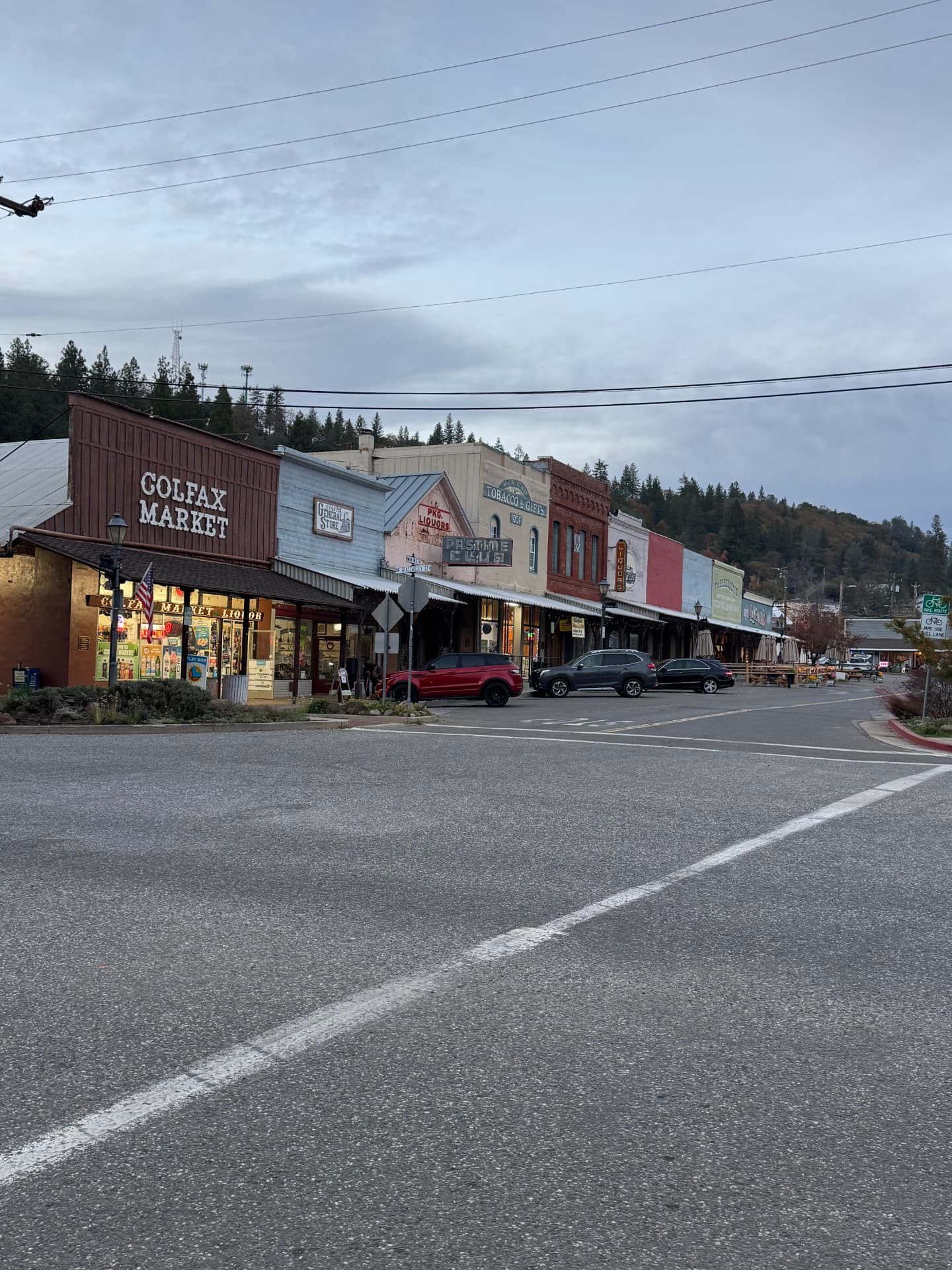
This was Main Street in the 1950s.
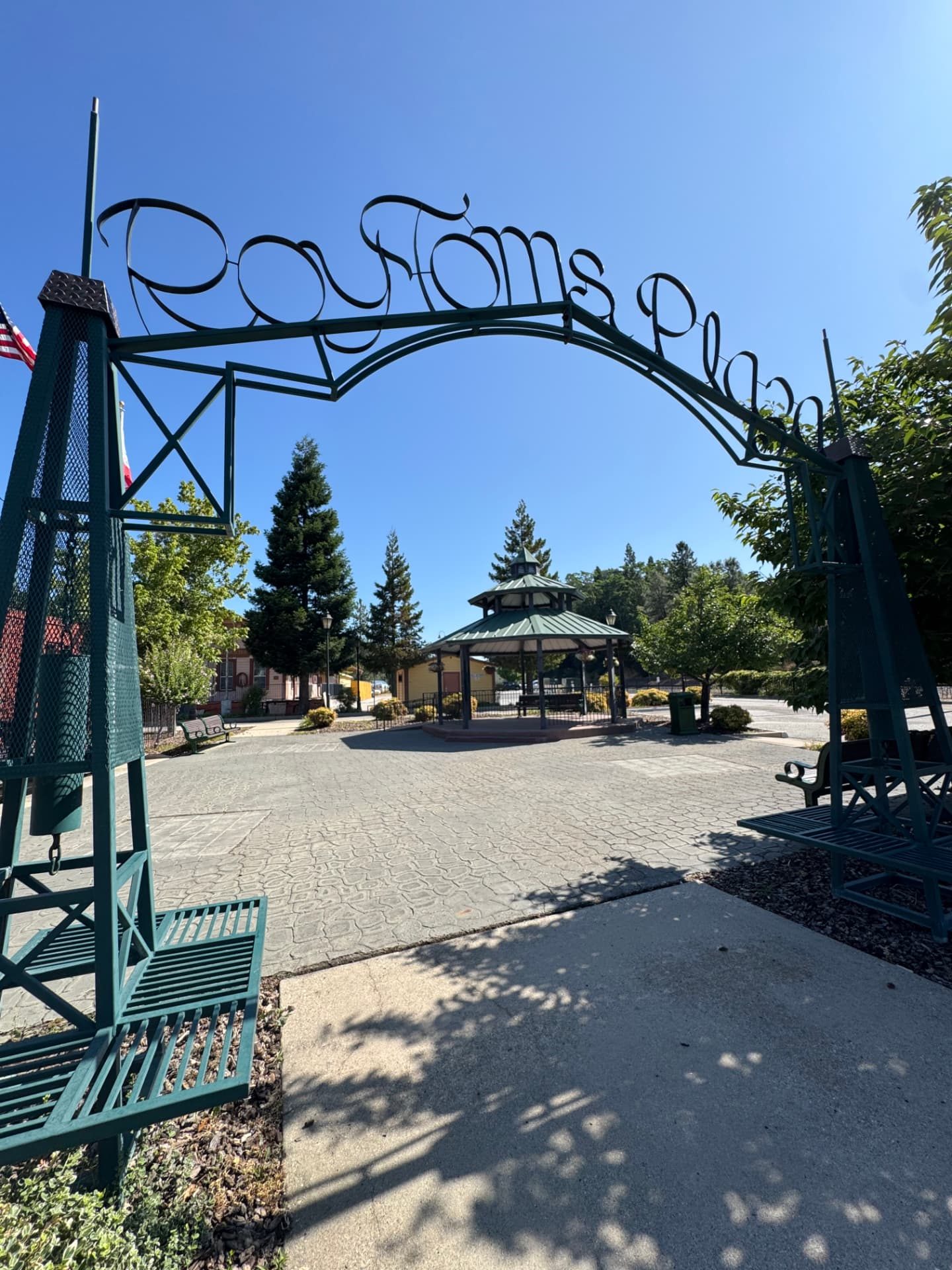
In 1958, the highway moved two blocks over. A year later, Roy Toms opened a fuel company here that grew to nearly 30 stores across the foothills around Sacramento. It kept Colfax working. It also pulled the town's attention away from Main Street. Today our plaza carries his name.
Even so, into the '80s downtown still had three grocery stores, several banks and restaurants that stayed busy. So where did all that energy go?
The pit stop.
Here's the strange part. Since the '80s, our population has doubled. But in the '90s, the traffic stopped coming downtown.
Then the internet arrived, and you could order almost anything without leaving home. Fewer people needed Main Street, and over time, owners moved on.
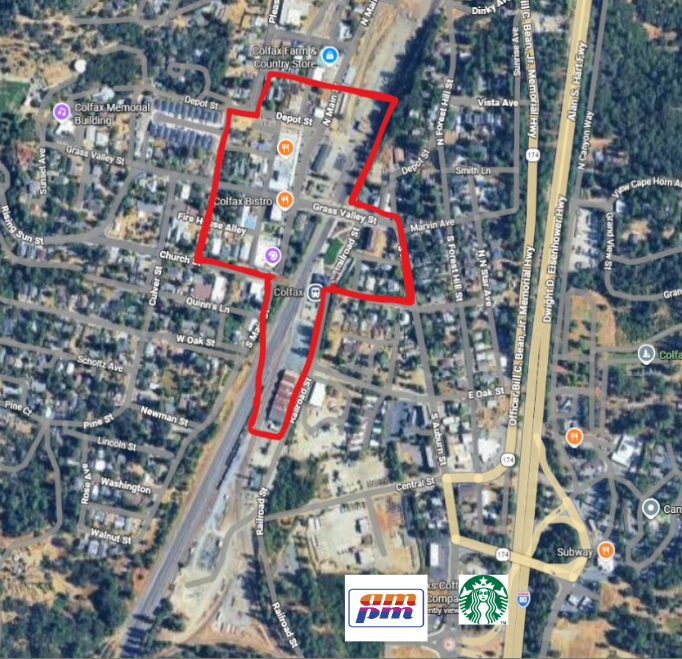
Today Colfax is a pit stop. More than 250,000 vehicles pass us on I-80 every week, headed up to Tahoe, Truckee and Reno, or down the hill to Sacramento. They pull off for gas and coffee, then pull right back on. Three blocks away sits a Gold Rush-era downtown most of them never see.
That isn't a problem. It's a quarter of a million chances a week to bring people downtown.
Chapter Two
The long shot
Our first grant was a long shot. The Levitt Foundation runs a nationwide competition that brings free concerts to towns across the country. We thought, why not us?
We made the national top 100. Levitt gave us a micro grant to put on a concert, and we had three weeks to do it. We had never planned a concert in our lives. We turned it into our Rock the Vote campaign, sold T-shirts, hosted community meetings and rallied the town. Our neighbors voted us into the top 50, ahead of cities 100 times our size.
While we waited, we kept going. We created Brews & Grooves, a new kind of fall event for Colfax: less Oktoberfest, more music. For the first time, we filled the park.
Then the news came. We didn't win.
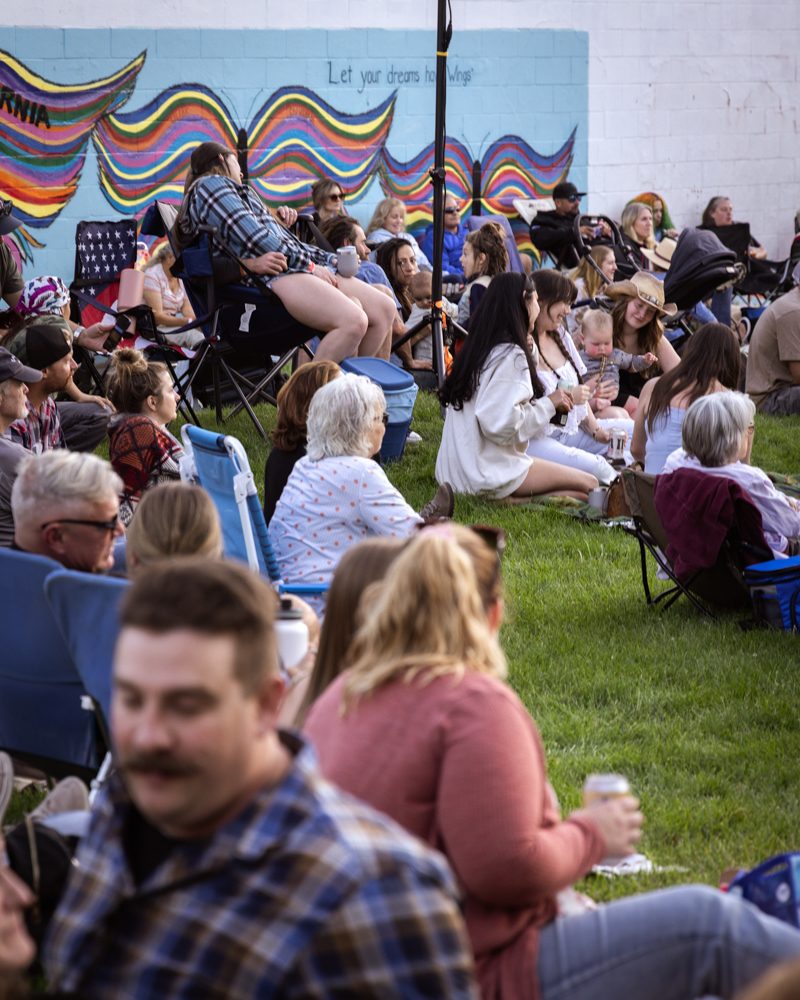
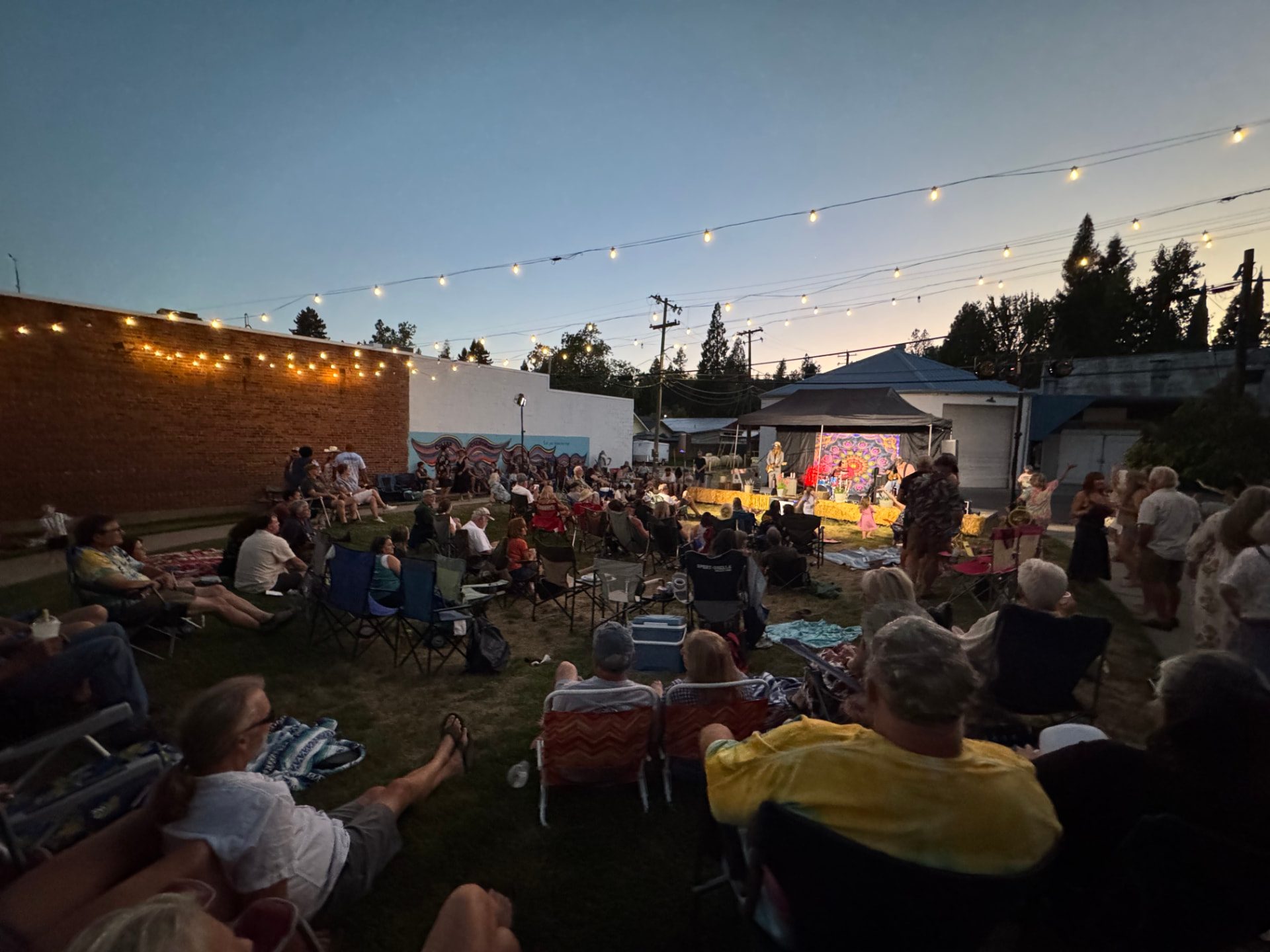
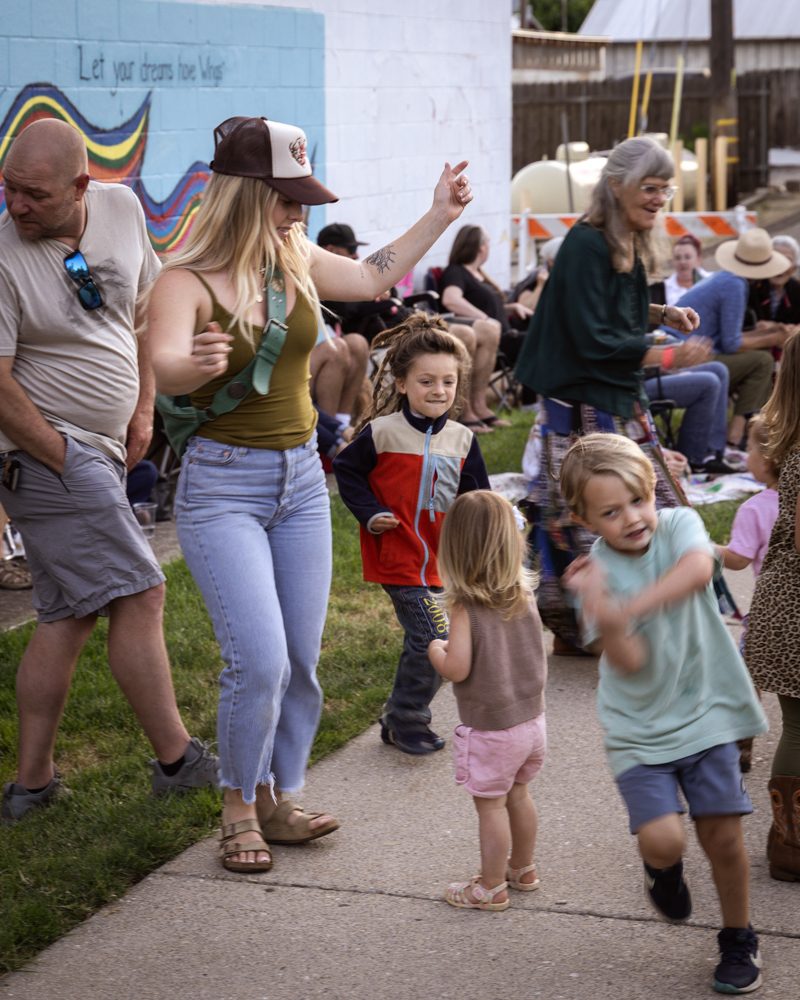
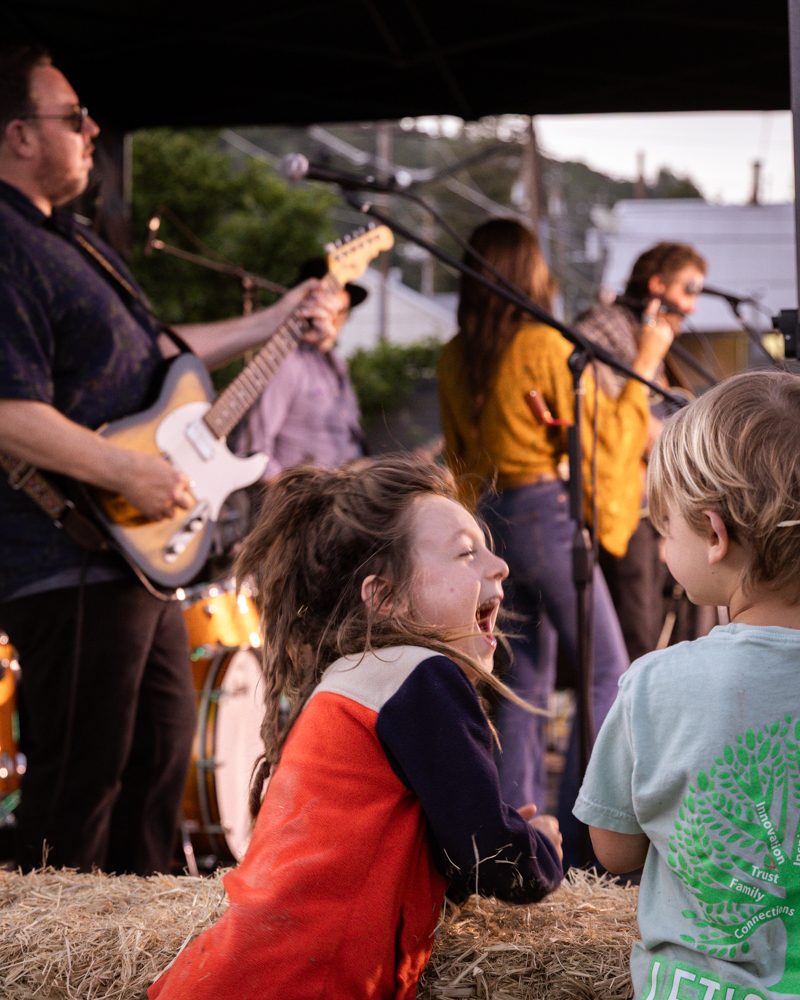
So we launched Live in Colfax anyway, with $500 raised. Sponsors stepped up, from US Bank to Placer County, and thousands came out for five free concerts on Main Street.
Chapter Three
One Building at a Time
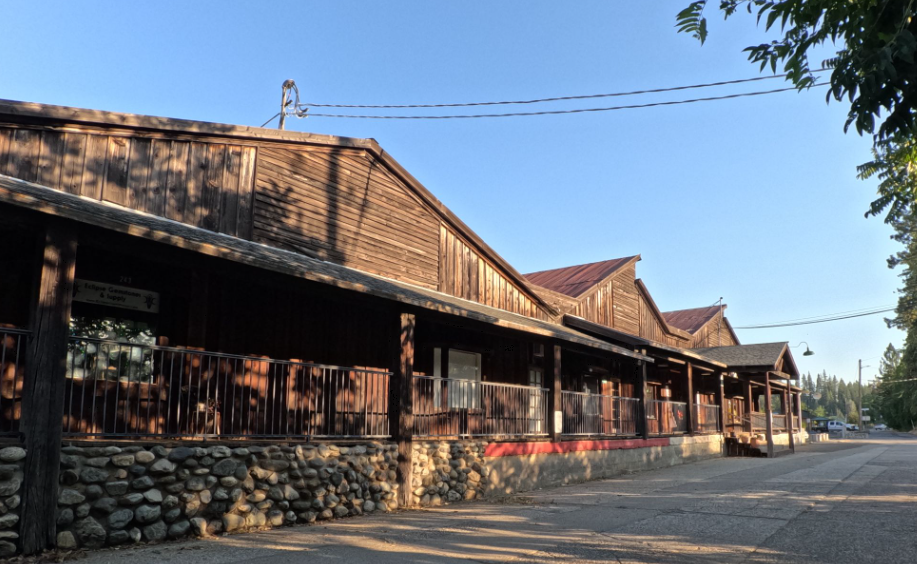
The Fruit Exchange Building is one of the largest in our historic district. It sits beside the railroad tracks, where local growers once packed apples, pears and peaches for shipment to Sacramento, San Francisco and beyond.
For about a decade, it sat dark, used mostly for storage.
Its owner, Todd Saylor, had the idea: a bazaar inside the building. We launched the Colfax Bazaar in three weeks.
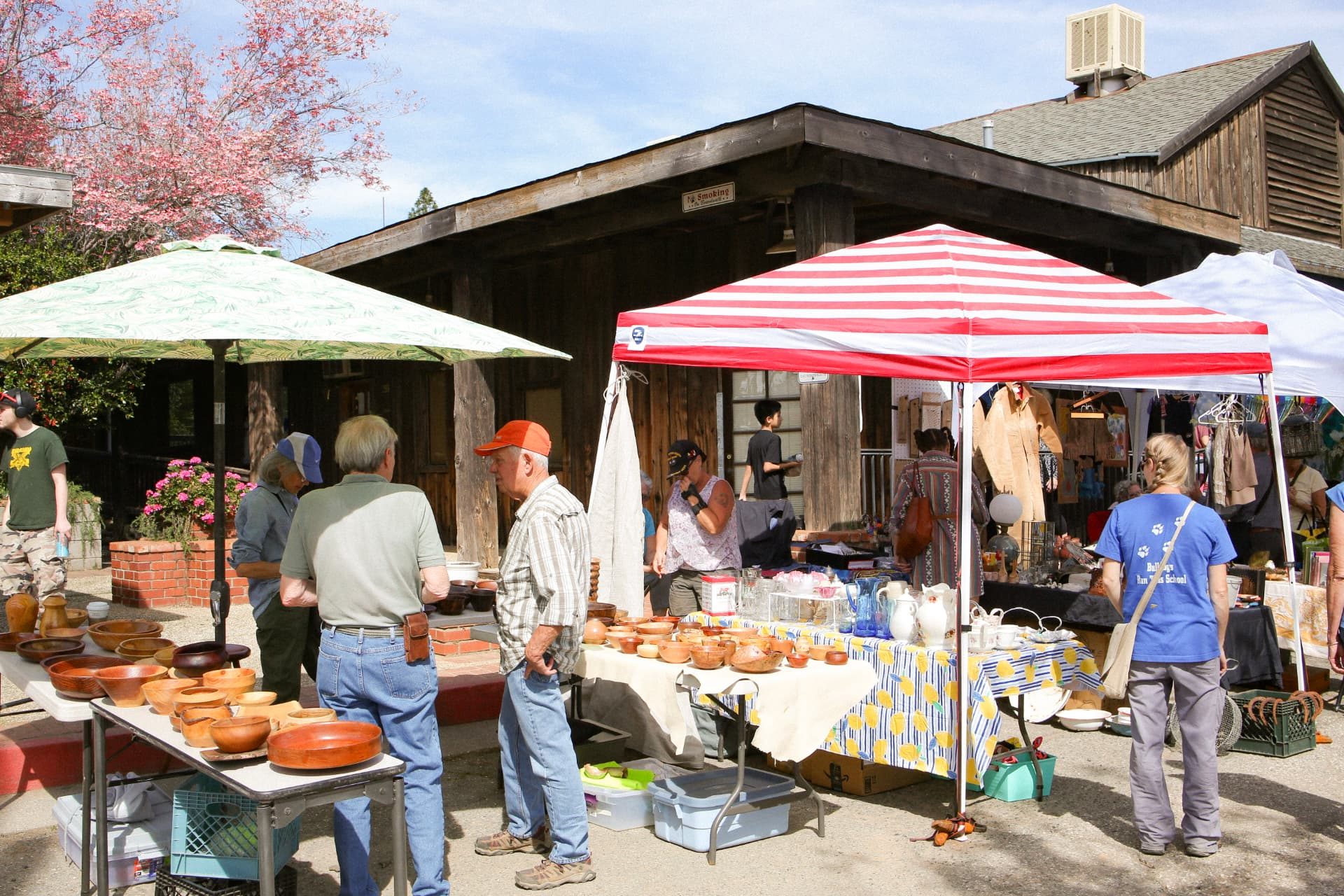
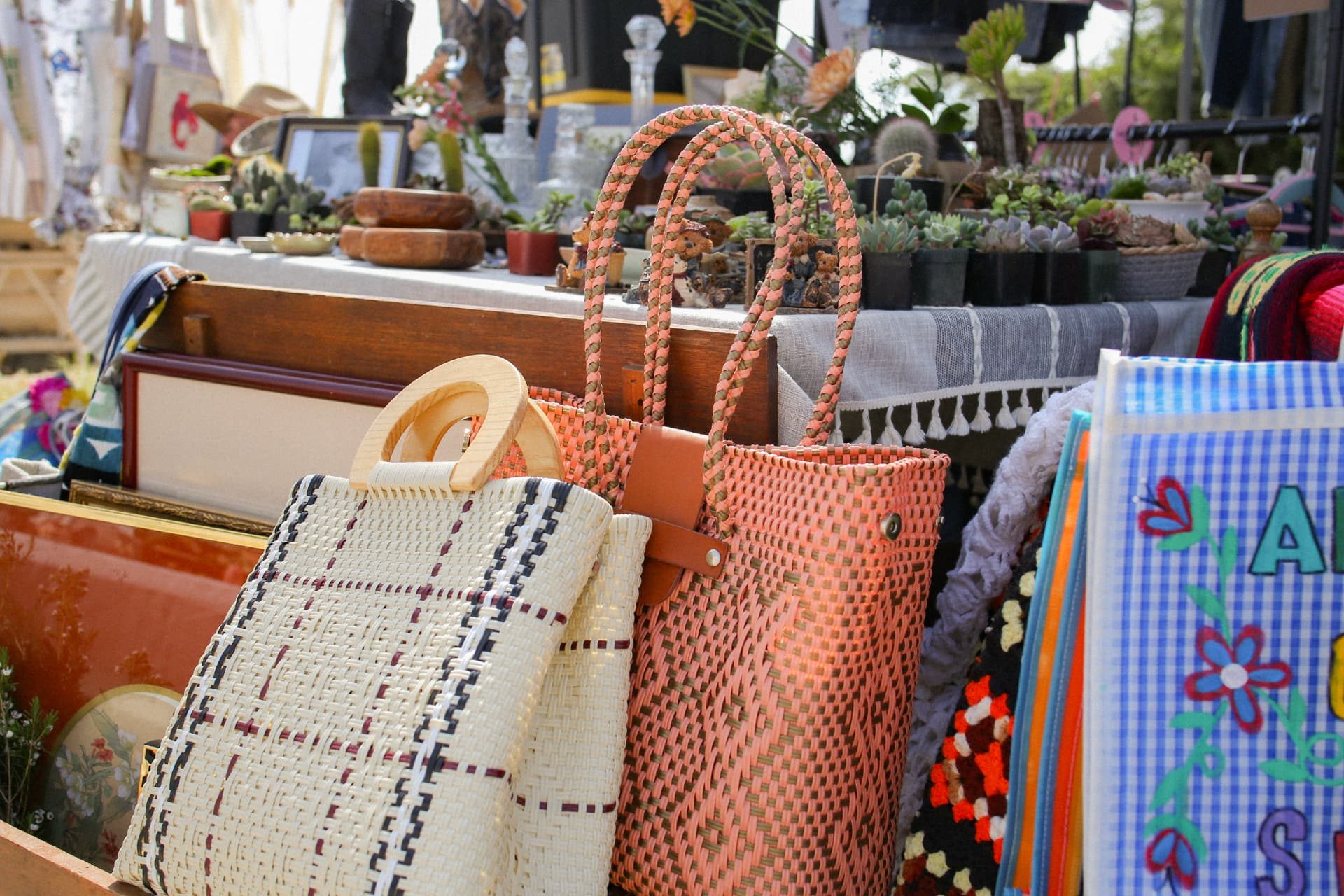
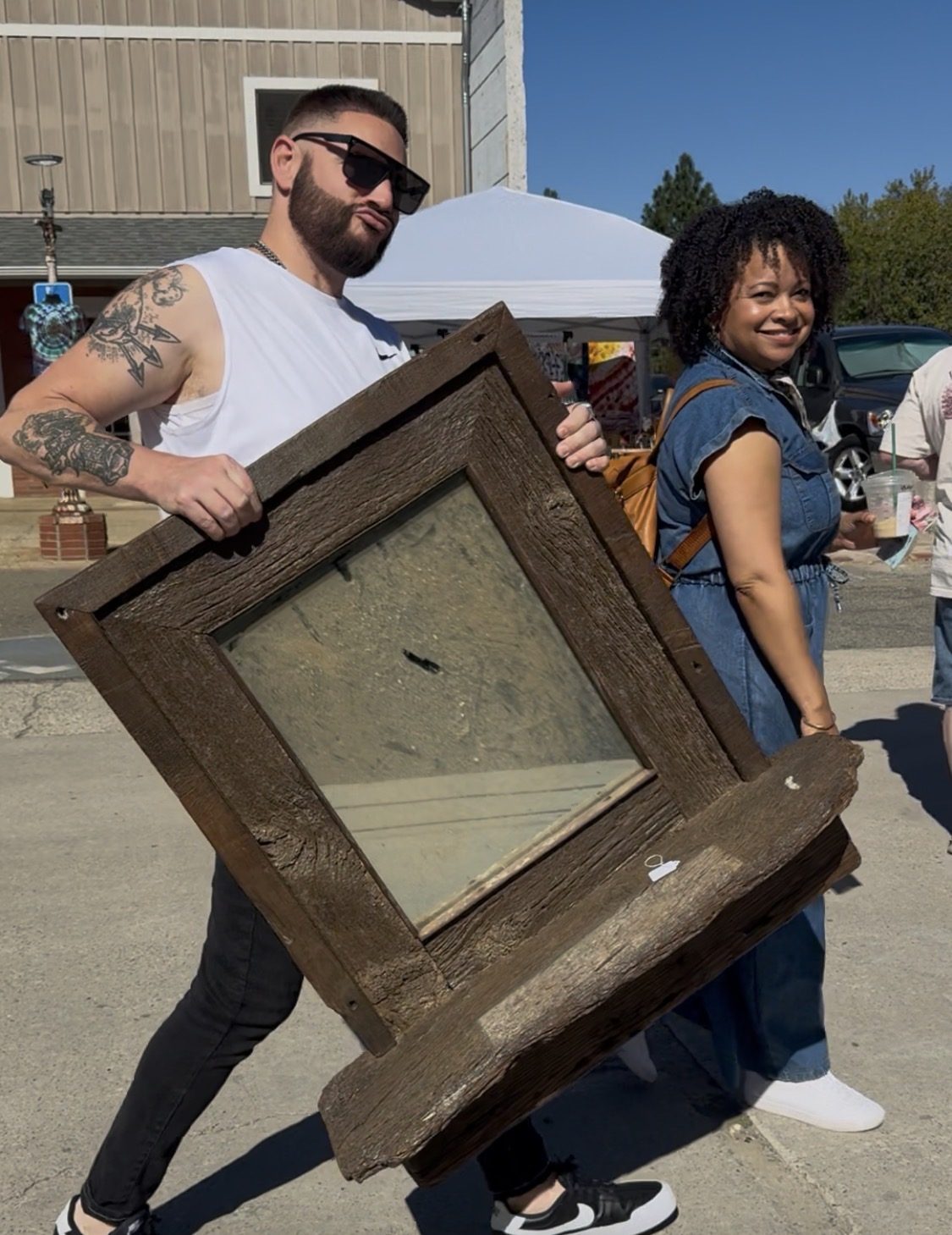
Todd opened the doors. We recruited the vendors, designed all the marketing, built the website and social media pages, invited the press and ran the day. Vintage dealers, makers and pickers filled the building, and Main Street's shops and restaurants became part of the day.
A thousand people came to the first one. Good Day Sacramento covered it. Downtown restaurants reported tripled sales. The Colfax Bazaar became a recurring event, and each one drew more vendors and more visitors.
Then something bigger happened. Once people saw the building full of life, they could picture themselves in it. Four new businesses moved in.
That's the goal for all of downtown: fill our vacant buildings with businesses. Same walls. New hands. And proof that Colfax can come back, one building at a time.
Chapter Four
Finding Another Gear
Before our concert series ever launched, we applied for a second Levitt grant, this one for a music festival. We didn't hear back for months. We found out we'd won after we had already launched our first concert.
The timing was rough. We were in the middle of a brand-new concert series, and now we had the chance to launch a festival right behind it. We said yes and figured it out later.
We had to give it a name. Colfax has always been a railroad town, so we called it the Iron Horse, the old name for the steam locomotive that built us.
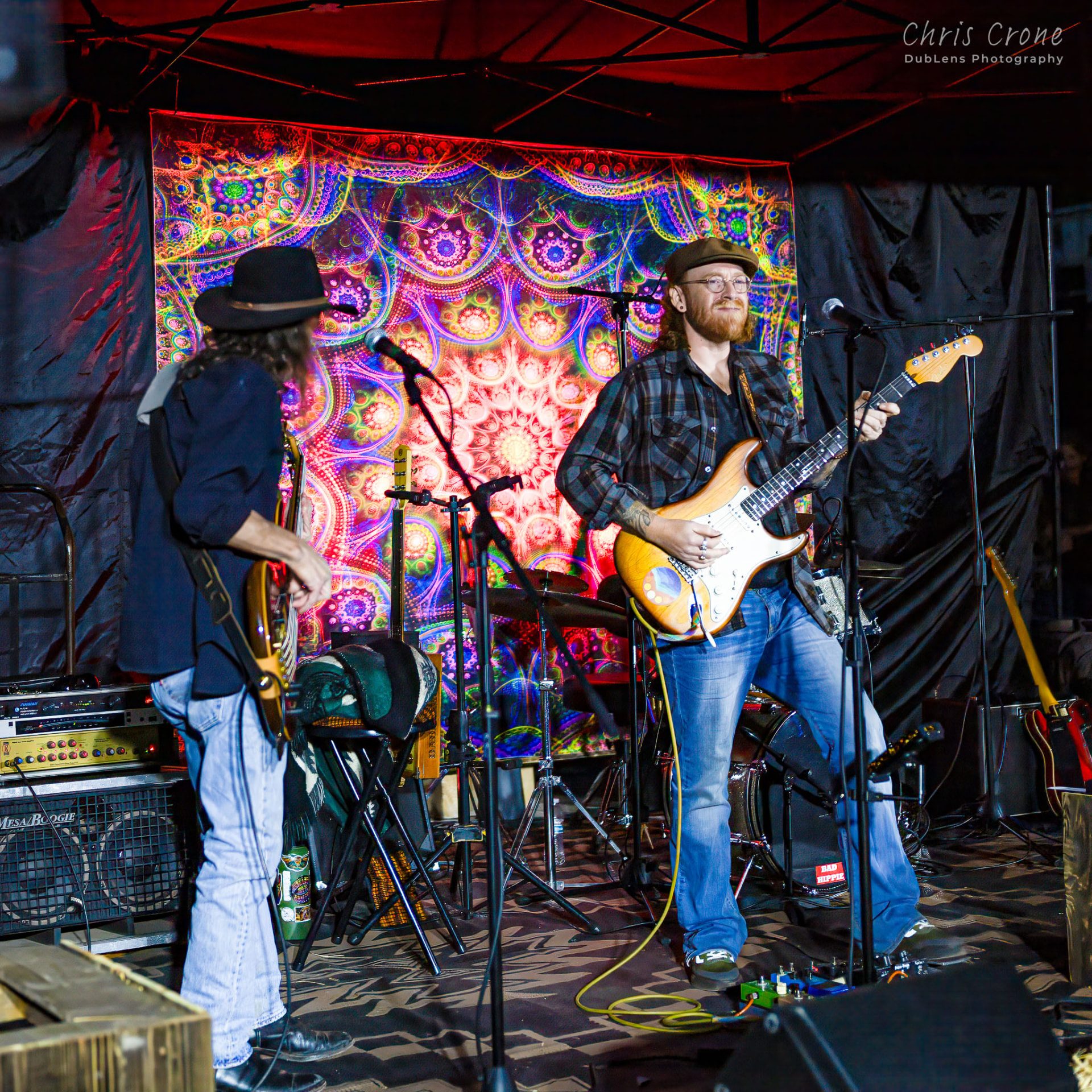
The grant let us raise our musician budget and bring in award-winning artists.
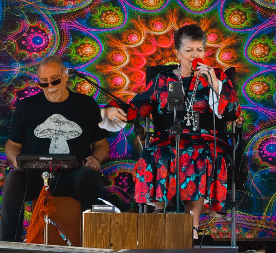
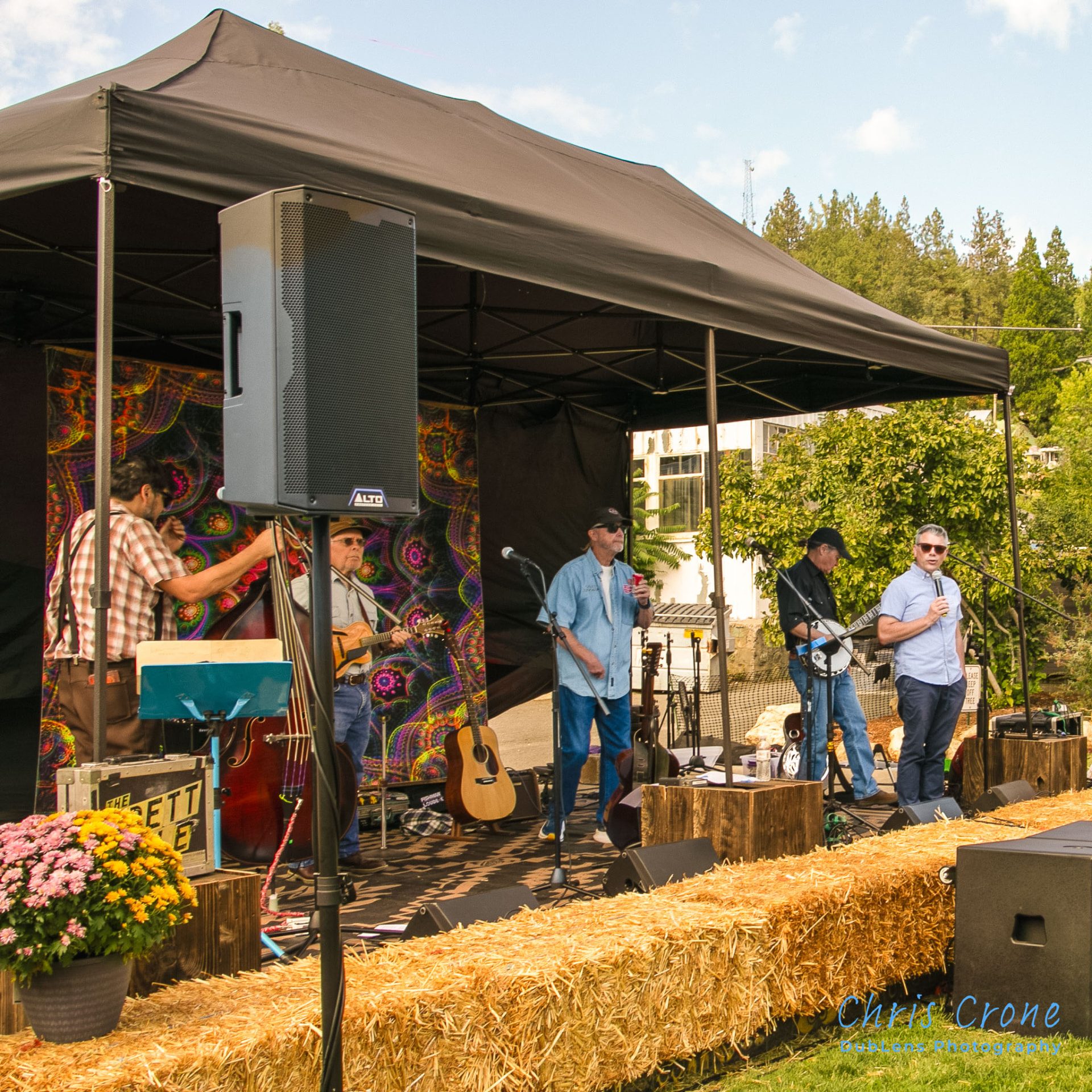
On October 10, 2026, the Iron Horse Music Festival came to downtown Colfax, and about 1,000 people came through.
Chapter Five
One Shared Plan
By now, something was happening in Colfax. Thousands of people came to our concert series. People showed up early to set out their lawn chairs and claim a spot. Businesses reported higher sales on event days. And Colfax was on the map: Placer County got behind us on several initiatives.
But we kept noticing what was missing. Plenty of people were working to move Colfax forward, just not from the same plan. Events can bring people to town for a day. A plan decides what they find when they come back.
So the Historic Colfax Downtown Association applied for another national grant, one that pays not for a single event but for a plan. And Colfax was picked again.
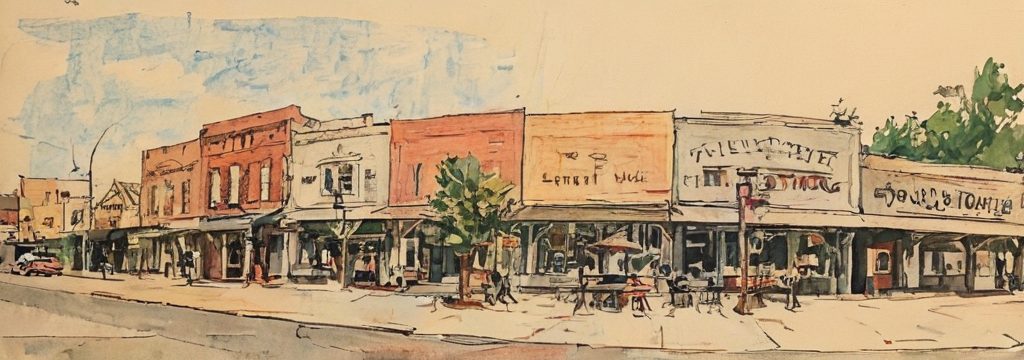
We were selected for Fieldwork, a national program funded by the Mellon Foundation and led by Epicenter and To Be Done Studio, as one of just 20 rural communities in the country. It brings up to $60,000 in design work from award-winning architects and designers, plus a coach to guide us: resources our town could never afford on its own. Their job is to help us draw the plan that takes Colfax back to its glory days: how visitors find us, how we tell our history, and how our empty buildings come back to life.
Chapter Six
That's where you come in.
This isn't the designers' plan, and it isn't ours. It belongs to everyone who calls Colfax home.
Maybe you've lived here your whole life and remember when Main Street was full. Maybe you just moved here and can see what this town could be. Maybe you own a business, or want to open one. Maybe you've never been here at all, but you believe small towns are worth betting on.
Colfax was built by people who bet on it. The railroad builders did. The growers did. A handful of us did. Now it's your turn to have your voice heard and help shape what comes next.
The story isn't finished, and it was never meant to be told by just a few of us. If you love this town, there's a chapter with your name on it.